Camera specifications are where budget phone marketing gets loudest. Big numbers — 50 MP, 200 MP — sit on the box because they are cheap to print. What decides whether your photos look good is the size of the sensor, the quality of the lens and, most of all, the software that processes each shot. Here is how our five ledger entries compare when you put the brochure away.
Daylight: the great equaliser
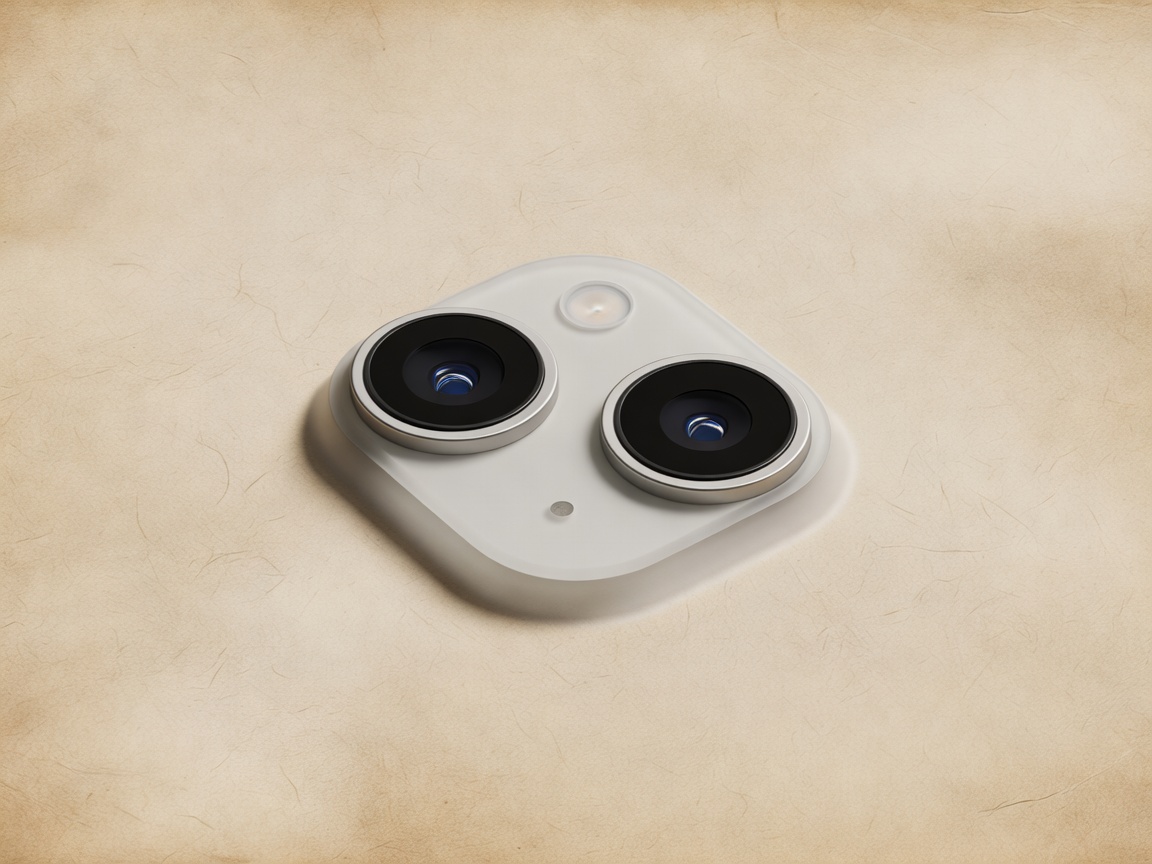
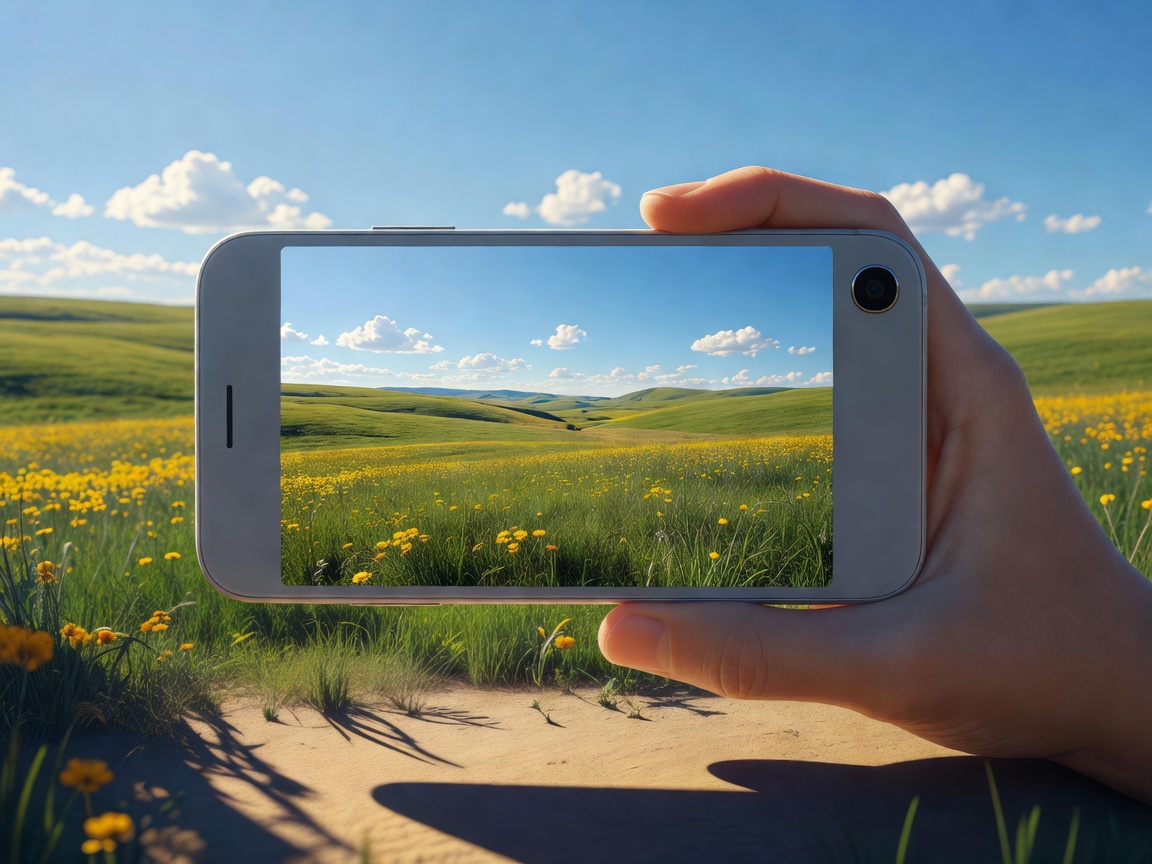
Outdoors on a bright day, all five phones take sharp, colourful photos you would happily post or print at a modest size. The Samsung Galaxy A16 5G leans towards punchy colour, the Redmi Note 14 Pro 5G produces lots of fine detail from its 200 MP sensor, and the Pixel 9a keeps colours closer to what your eye saw. If most of your pictures are taken outside in good light, you can save money here without regret.
Dusk and indoors: where money shows
As the light drops, the sensor has less to work with and software takes over. The Pixel 9a, with Google's Night Sight processing on the Tensor G4, stays the most consistent: fewer blurred faces, steadier skin tones and less smeared detail. The CMF Phone 2 Pro and Redmi Note 14 Pro 5G hold up reasonably well with their optical image stabilisation on the main camera. The moto g power 5G (2025) and Galaxy A16 5G are usable indoors but tend to soften detail and struggle when people move.
Plain advice: if your photos are mainly children, pets or evening gatherings, this is the area worth paying more for.
Second and third lenses
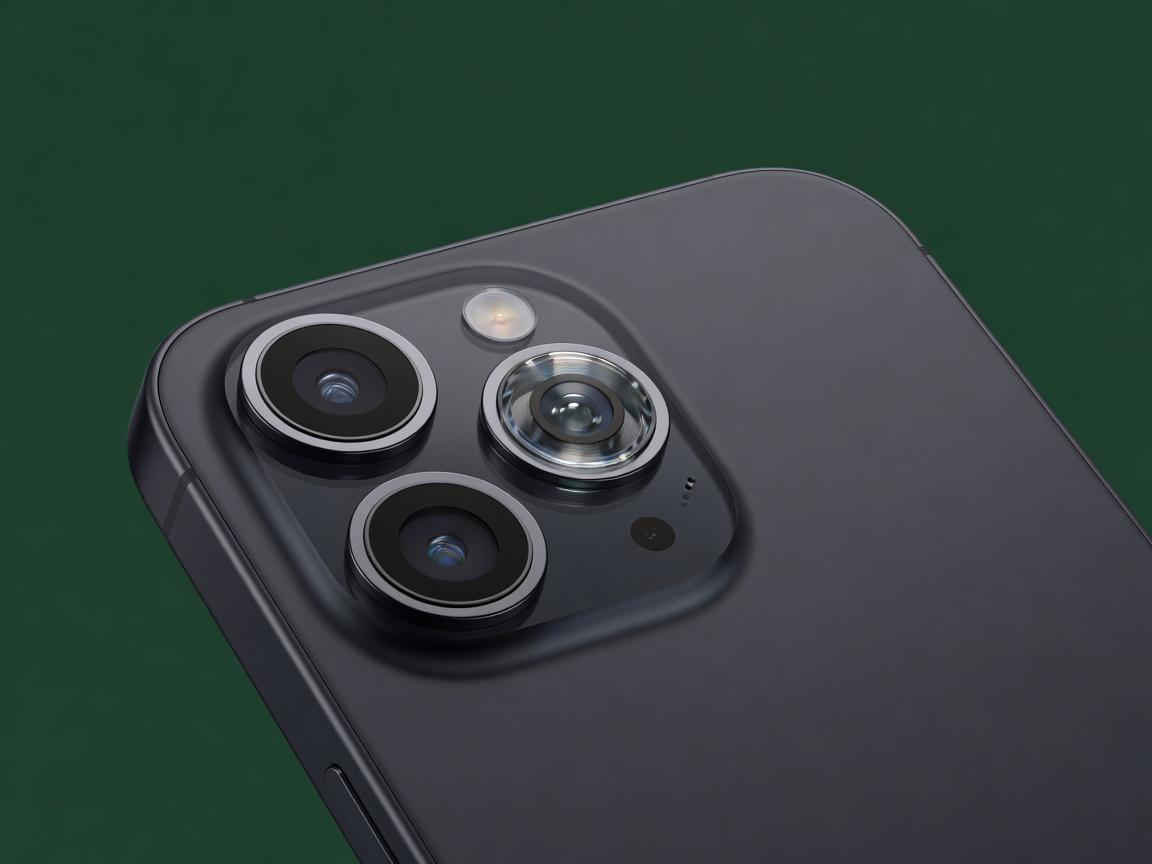
Many budget phones add extra lenses to fill out the spec sheet. A 2 MP macro camera, found on the Galaxy A16 and Redmi, adds little; you will usually get a better close-up by stepping back with the main camera and cropping. Ultrawide lenses are more useful for rooms, buildings and group shots, though on budget phones they are noticeably softer than the main camera.
The standout is the CMF Phone 2 Pro's 50 MP 2× telephoto lens. A real zoom camera is rare at this price, and it gives flattering portraits and sharper distant detail than digital cropping on the others.

Video and selfies
For video calls and social clips, all five are fine. For filming events you care about, stabilisation and processing again favour the Pixel 9a, with the Redmi and CMF behind. Selfie cameras are adequate across the board; none of the five is a reason to buy or avoid a phone on its own.
The ledger verdict on cameras
- Best all-round photos: Pixel 9a — you pay for consistency in tricky light.
- Best value for zoom: CMF Phone 2 Pro — a real telephoto for well under $300.
- Most detail in daylight: Redmi Note 14 Pro 5G.
- Good enough, cheapest: Galaxy A16 5G — fine outdoors, softer indoors.
- Functional: moto g power 5G (2025) — buy it for toughness and battery, not photography.
Before deciding, think honestly about where you take photos. If the answer is "mostly daylight and screenshots", keep the savings. If it is "my kids at bedtime", the camera is where your extra money works hardest. You can see every phone's camera line in the full ledger.